Mason Decoy Factory Redhead Drake Working Decoy, Early 20th C. View Watchlist >
Seller Accepts Credit Cards
Payment and pickup instructions will be available on your invoice (under "My Account") at the conclusion of this auction.
Lot # F207
System ID # 28951121
Start Date
End Date
3 Watching
Mason Decoy Factory Redhead Drake Working Decoy, Early 20th C.
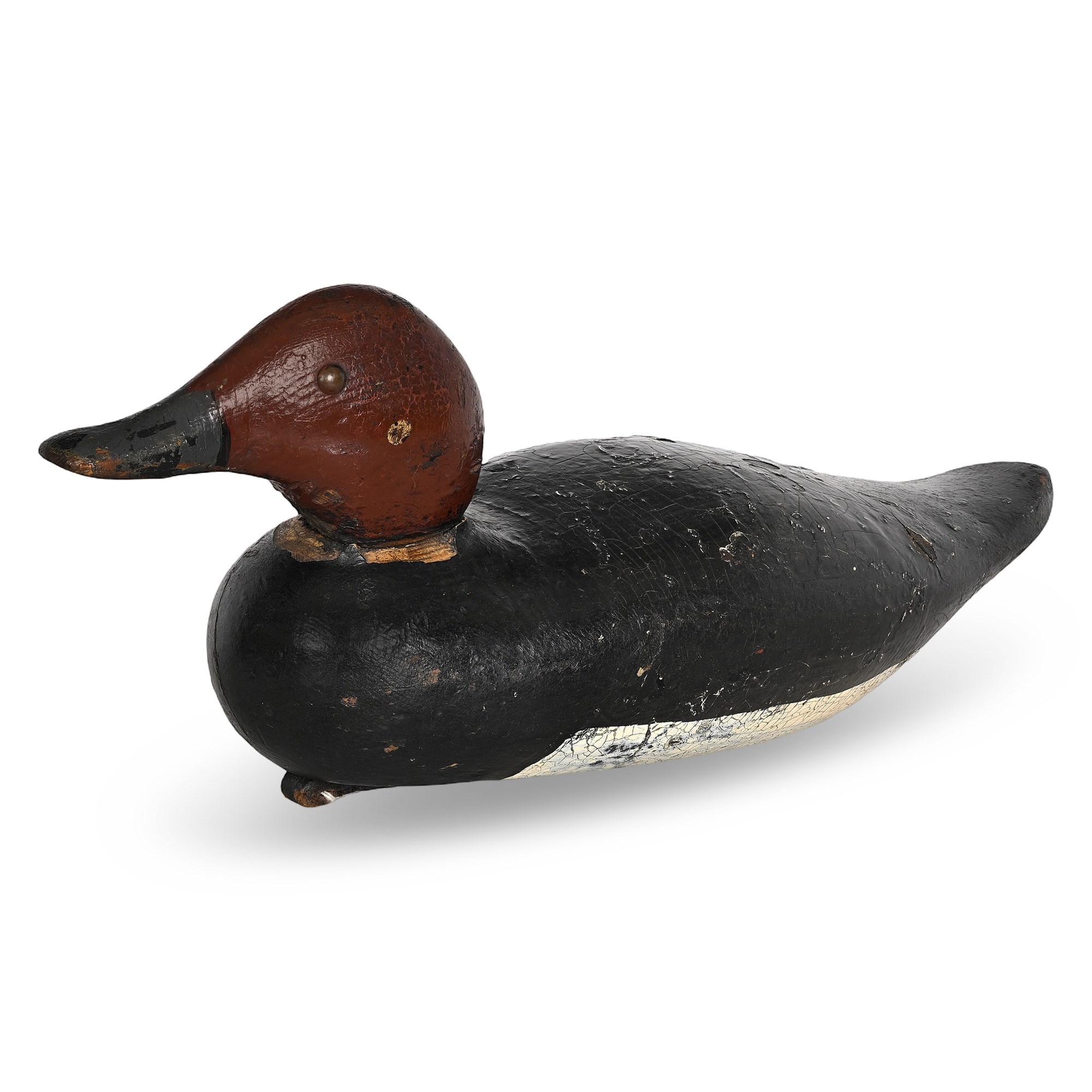
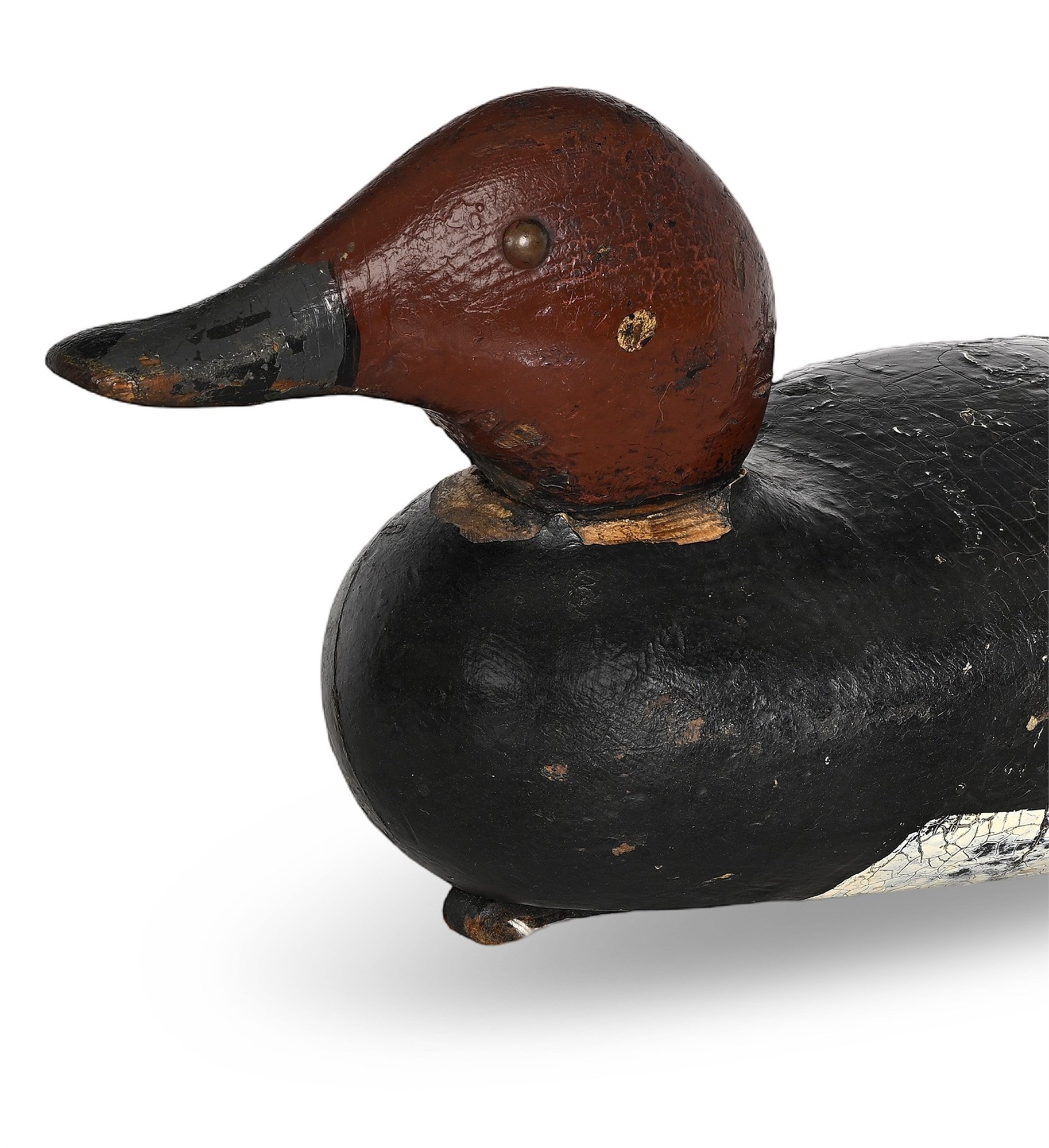
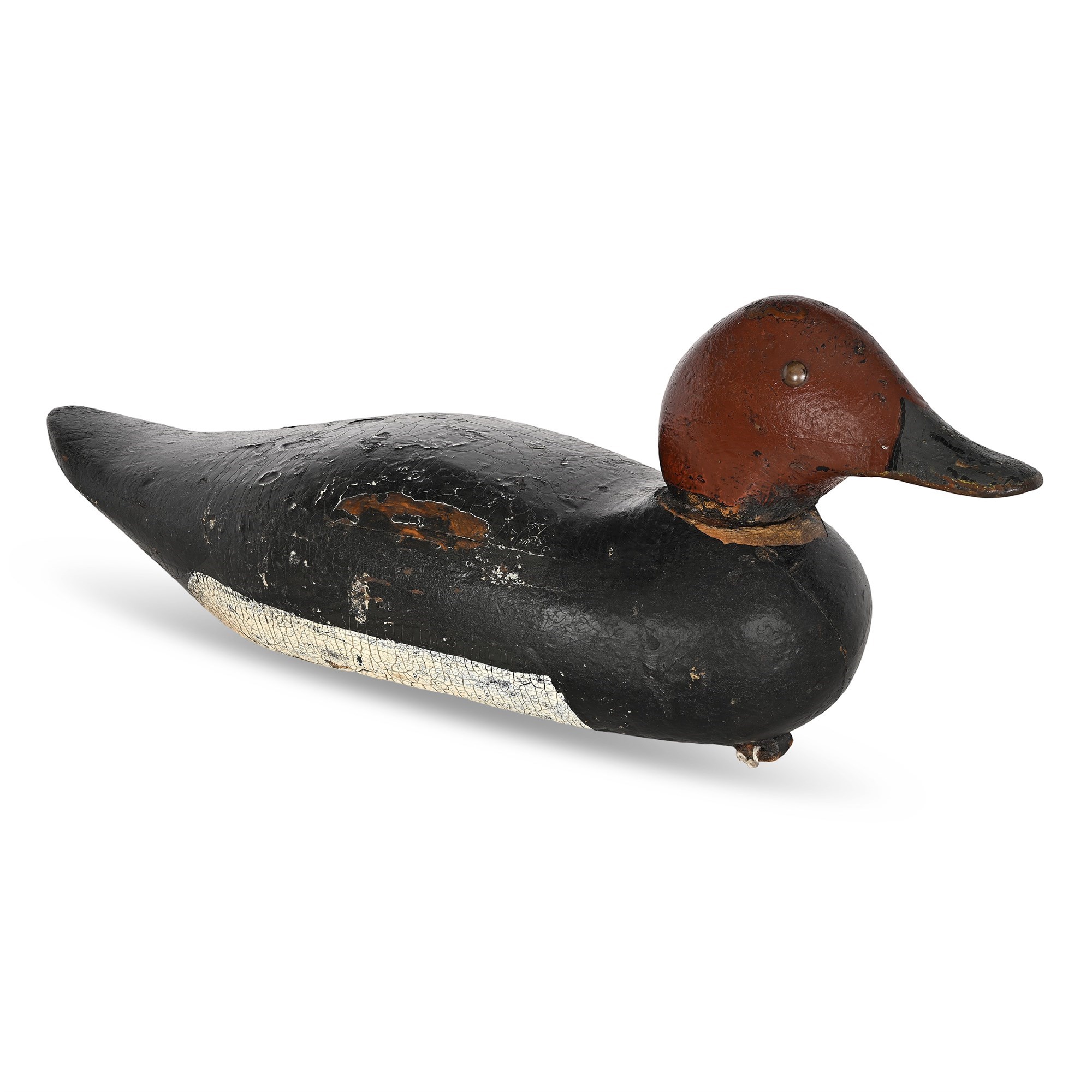
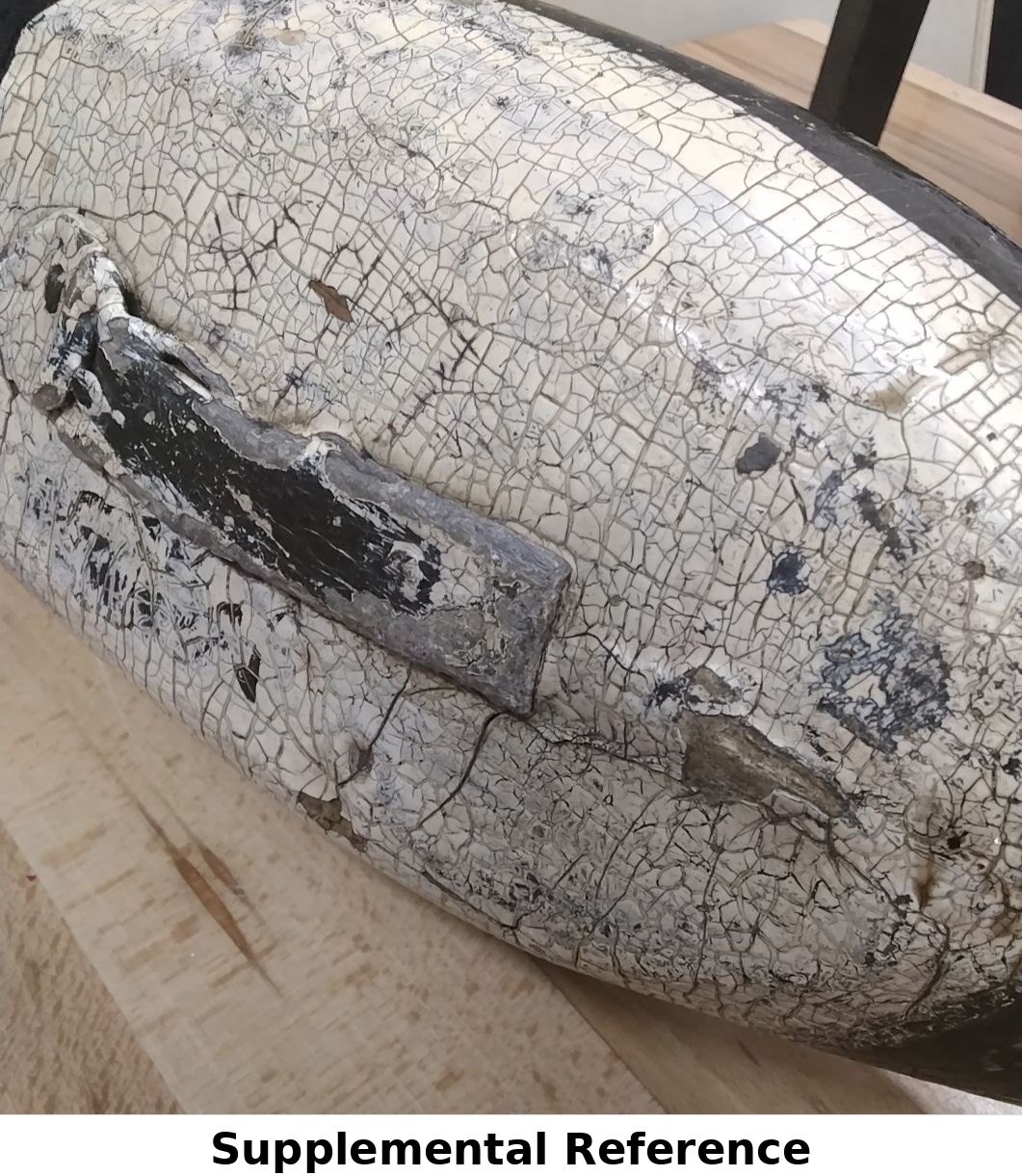
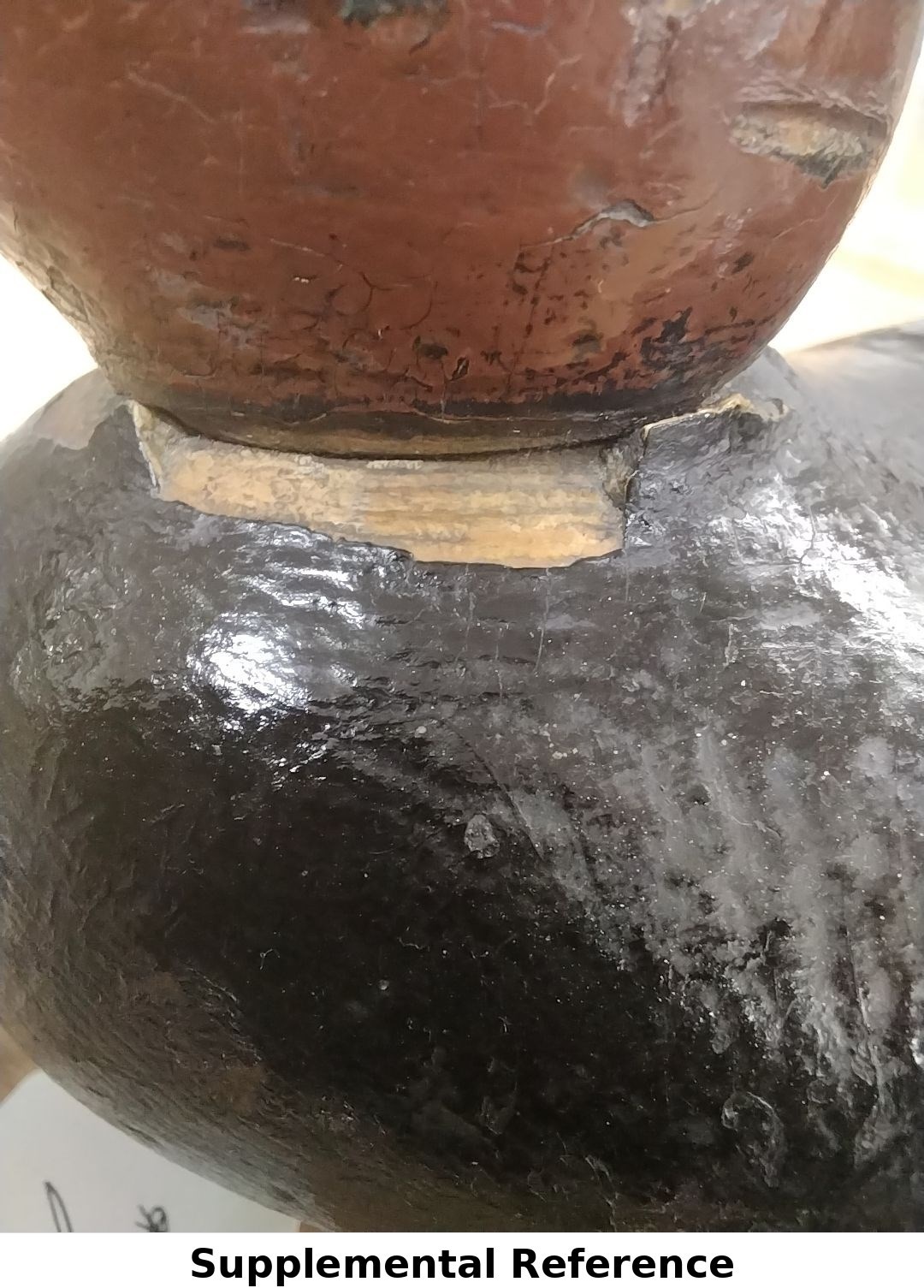
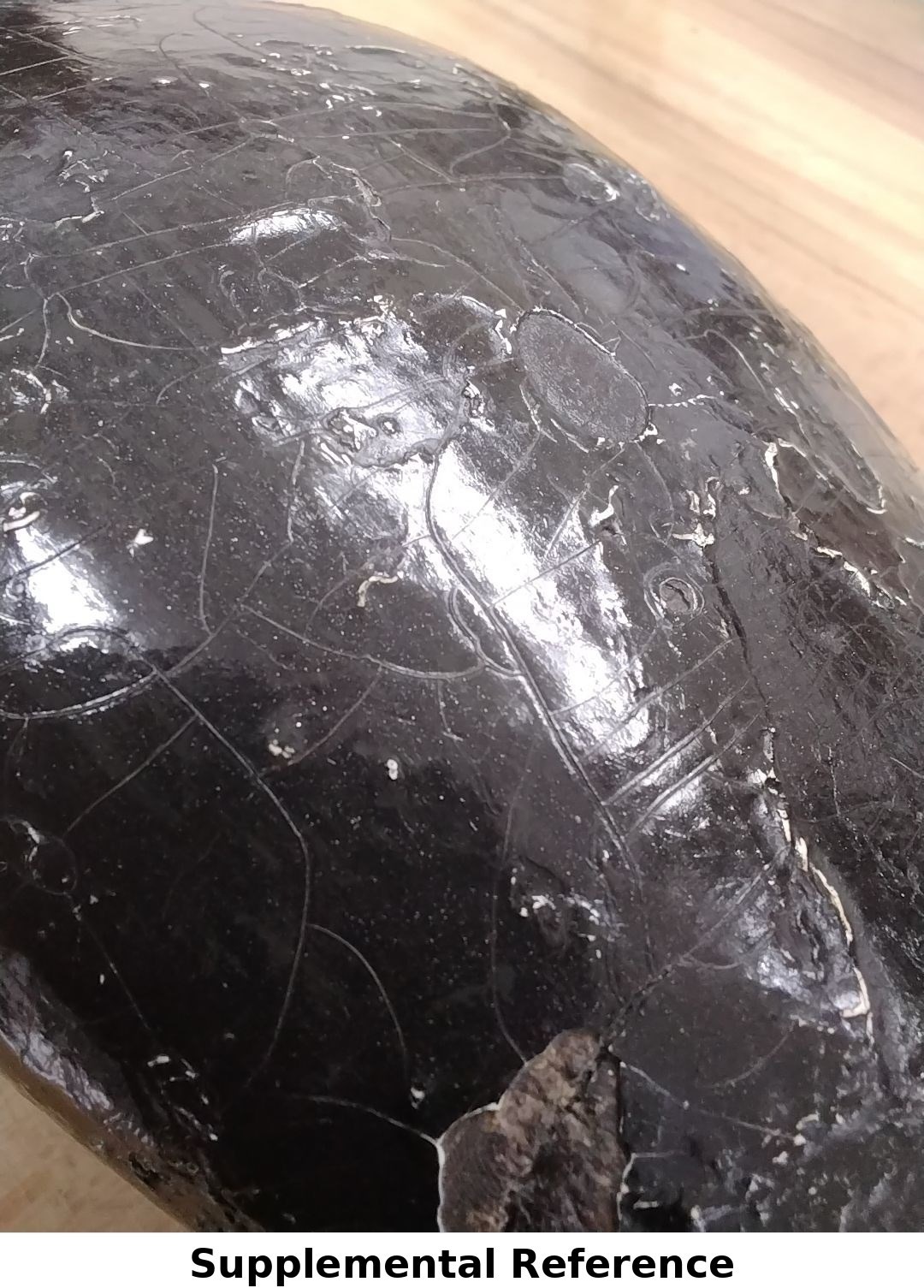
A working redhead drake decoy attributed to the Mason Decoy Factory of Detroit, Michigan — the dominant commercial decoy producer in North America from roughly 1896 until the factory's closure in 1924. The solid carved wood body follows the classic Mason working-grade form: full rounded breast, flared tail, separately carved head set on a shaped neck tenon. Paint survives in three fields consistent with documented Mason redhead drake pattern — oxblood red head, black breast and tail, white-painted flanks reading as the species' pale back when seen low on the water. A tack eye is intact. A lead keel weight is mortised into the underside, the standard Mason ballasting method for open-water stability.
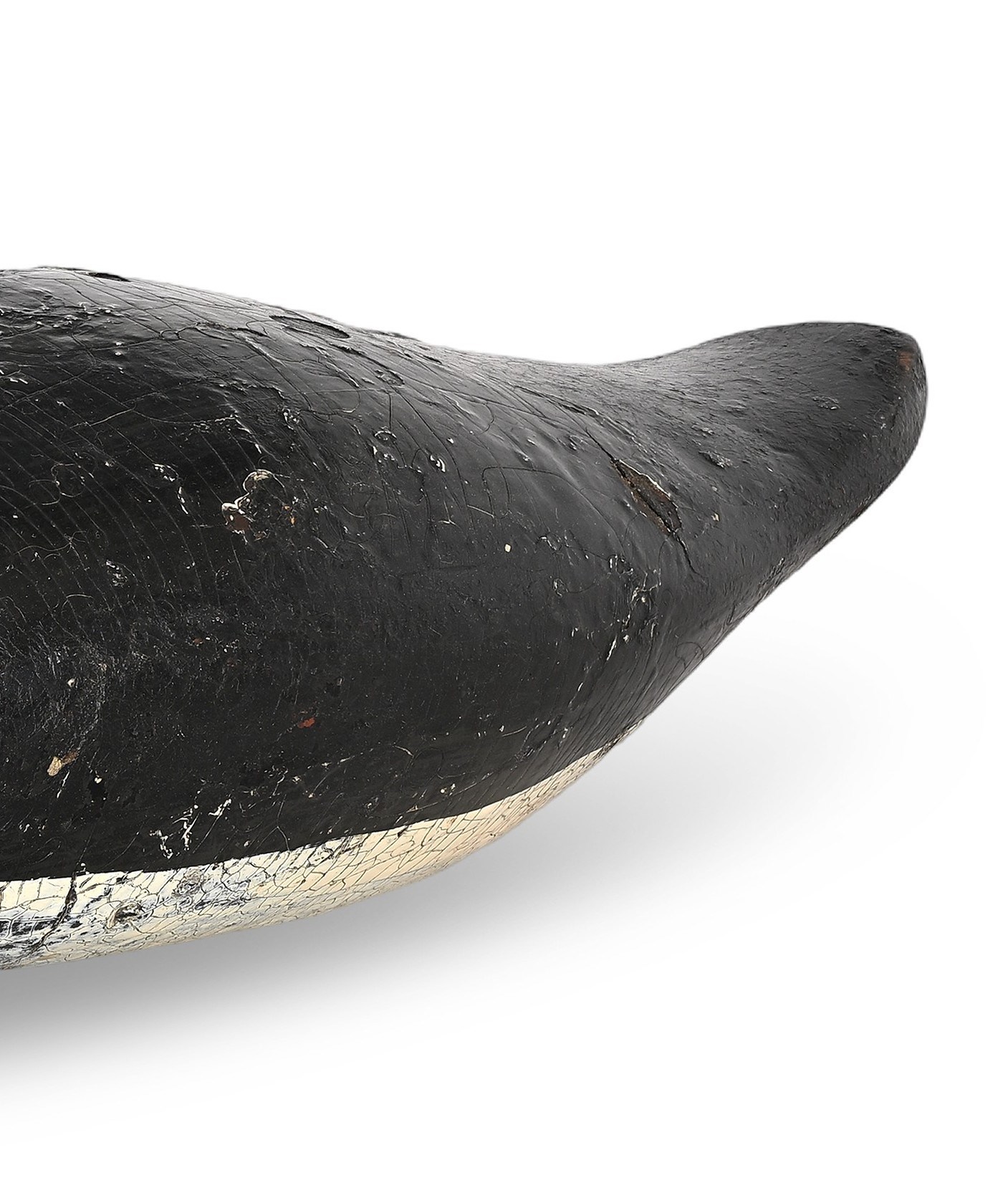
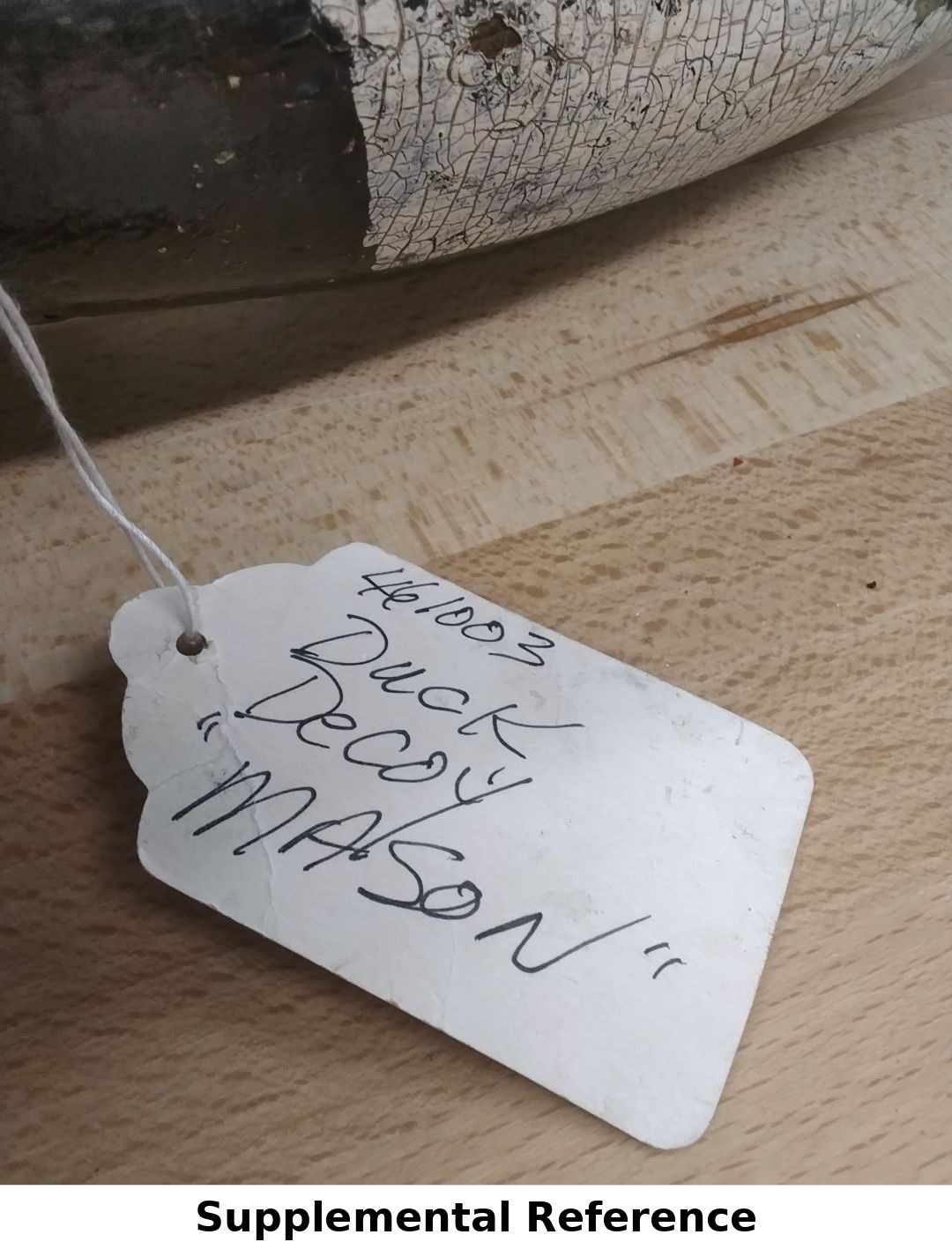
Mason decoys were distributed through hardware catalogs and sporting-goods houses across the Midwest and Atlantic flyways and were used hard on working rigs from the Great Lakes to the Chesapeake. The deep craquelure across all painted surfaces, embedded surface grit, and wear at the bill and neck joint are consistent with prolonged exposure on open water — the expected biography of a piece that spent decades doing exactly what it was built to do. Two hand-written consignor tags identify the piece as "Mason." Grade designation — Mason produced five grades ranging from Premier to Standard, distinguished by carving refinement, paint quality, and eye treatment.
History
William James Mason established the Mason Decoy Factory in Detroit around 1896, and over the following three decades the firm became the dominant commercial decoy maker in North America. Mason produced decoys in five documented grades — Premier, Challenge, Detroit, Standard, and Glass Eye — each distinguished by the degree of carving refinement, the quality and detail of the painted finish, and the eye treatment. Premier-grade birds received detailed feather combing and high-quality glass eyes; Standard-grade birds were painted more simply and fitted with tack eyes, as this example is. The factory closed in 1924, making all surviving Mason decoys pre-1924 by definition. Mason decoys are the anchor of the American working decoy collecting market: top Premier-grade examples have brought five and six figures at major decoy auctions, and honest working-grade examples in original paint maintain strong, consistent demand. The redhead drake is among the most collected Mason species, produced across all grades for use on the Midwest's large inland lakes and the Great Lakes themselves — prime redhead habitat.
Authenticity
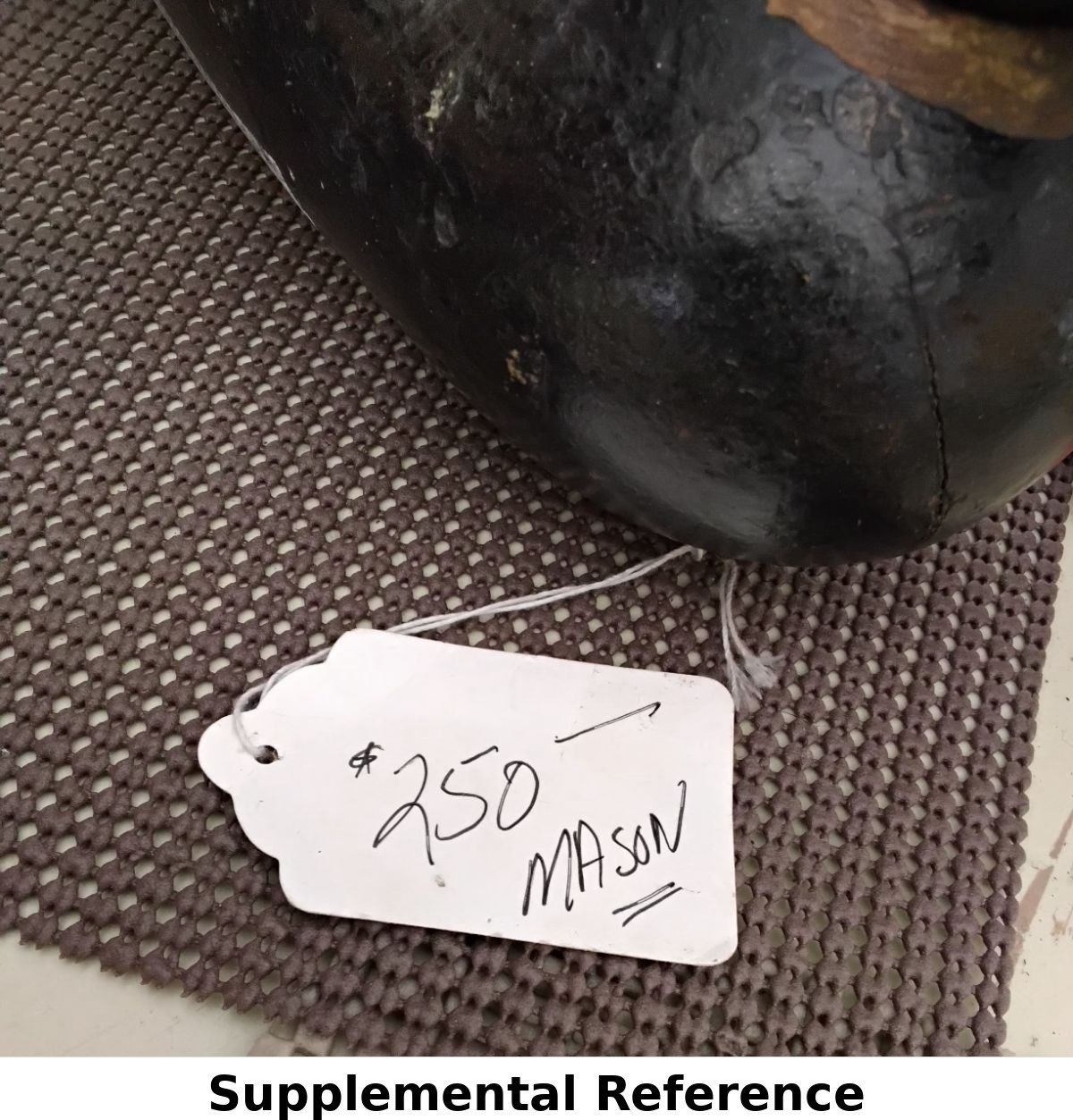
Attribution to Mason is supported by body form, neck tenon construction, head carving profile, tack eye placement, lead keel mortising, and three-field paint pattern — all consistent with documented Mason factory output for a working-grade redhead drake. Two consignor tags read "Duck Decoy 'Mason'" and "$250 / MASON." The piece is not signed beyond its form, which is standard for Mason factory production; Mason decoys were not individually marked.
CONDITION
Good, with honest working wear throughout consistent with active field use. Heavy craquelure covers all painted surfaces; scattered chips and paint loss expose bare wood at the bill tip, neck joint, and along the body. Lead keel weight is intact and firmly set. No structural breaks; head remains firmly seated on the body tenon.
DIMENSIONS / SPECIFICATIONS
- Overall: 7" H × 15.5" L × 5.25" W
- Weight: 2 lbs
- Construction: Solid carved wood, painted
- Hardware: Tack eyes; lead keel weight (mortised underside)
- Attribution: Mason Decoy Factory, Detroit, Michigan
- Production Period: 1896–1924 (factory dates)