Pickett N4-T Slide Rule — George Harris NASA / AVRO Flight Test View Watchlist >
Seller Accepts Credit Cards
Payment and pickup instructions will be available on your invoice (under "My Account") at the conclusion of this auction.
Lot # F1087
System ID # 30343681
Start Date
End Date
5 Watching
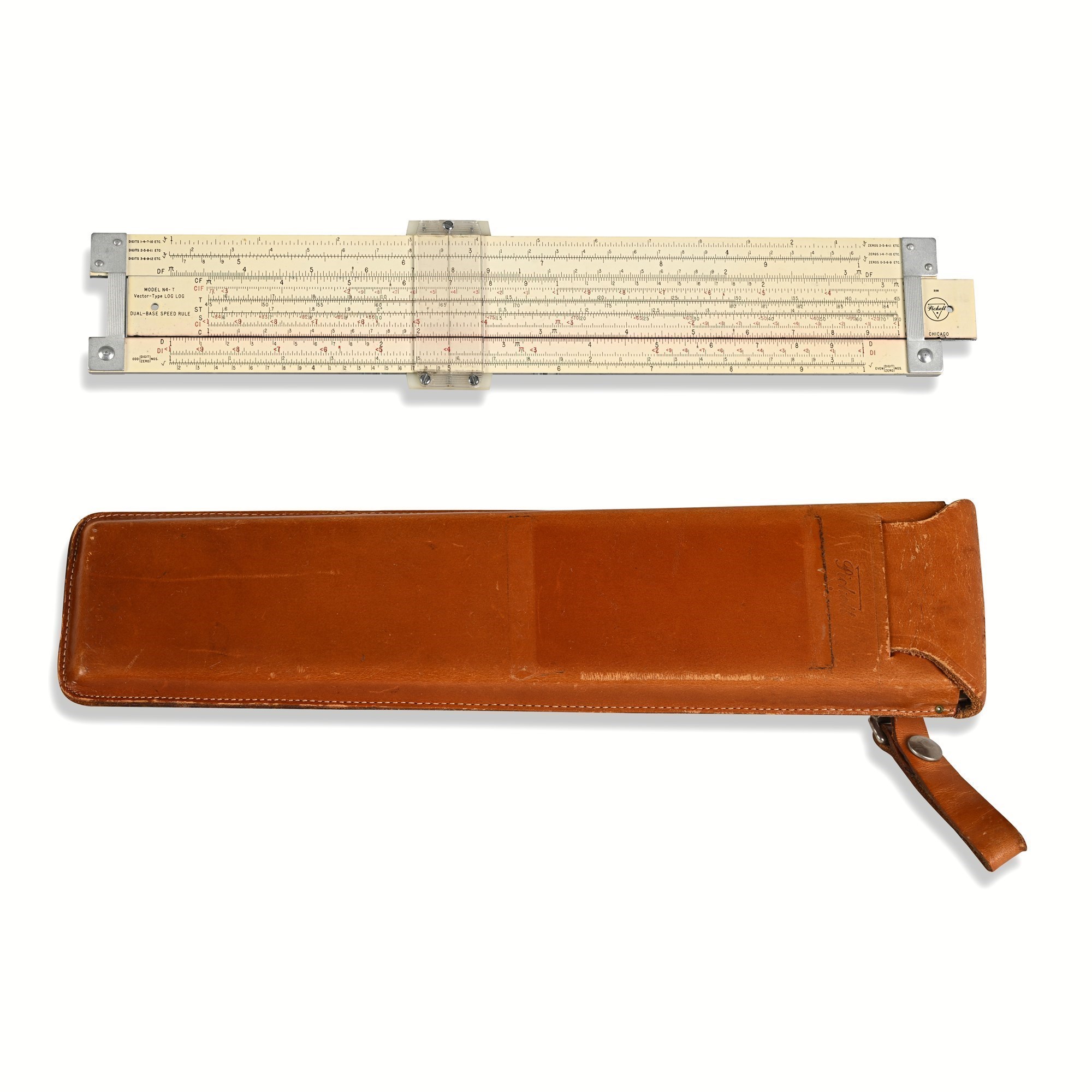
Pickett N4-T Slide Rule — George Harris NASA / AVRO Flight Test
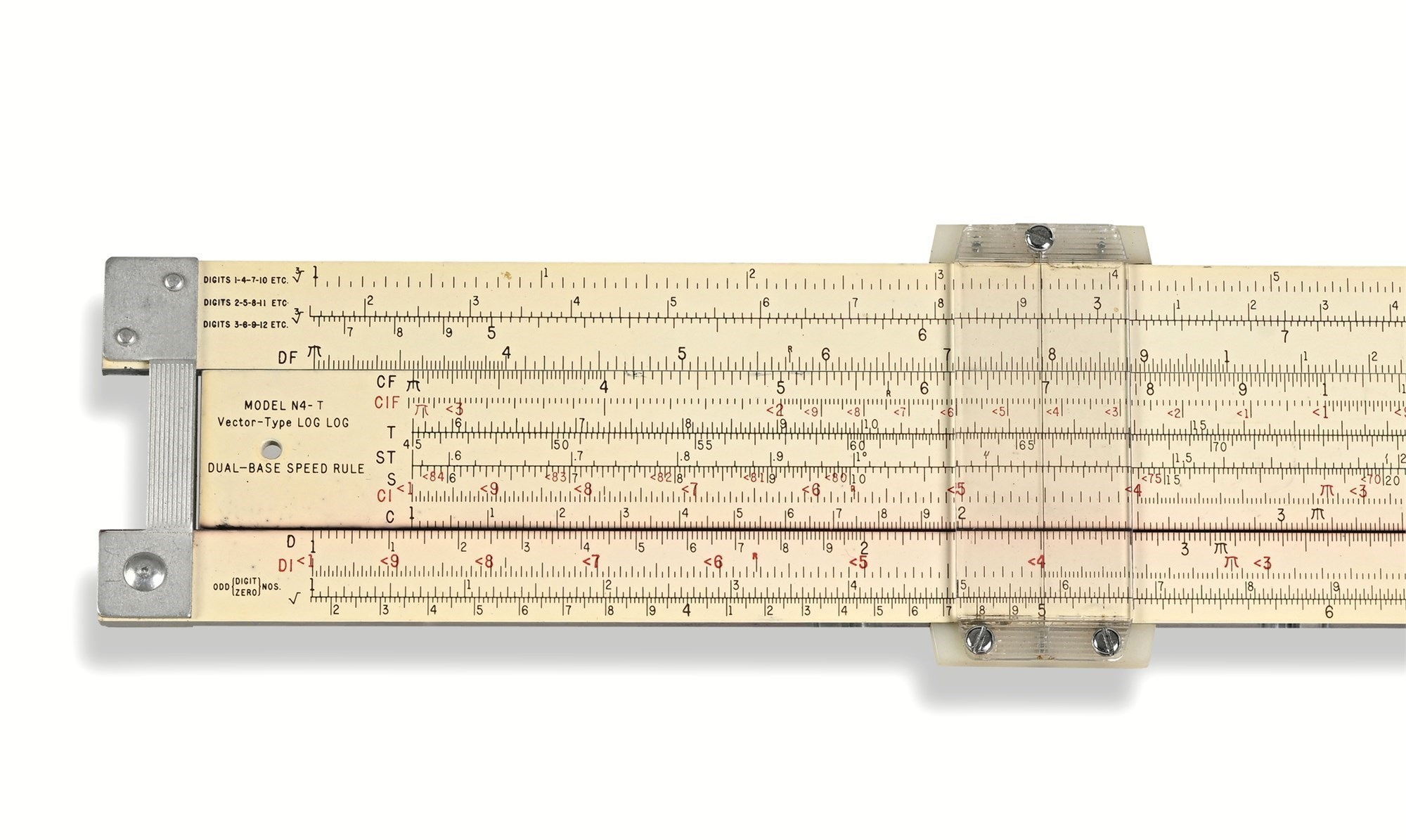
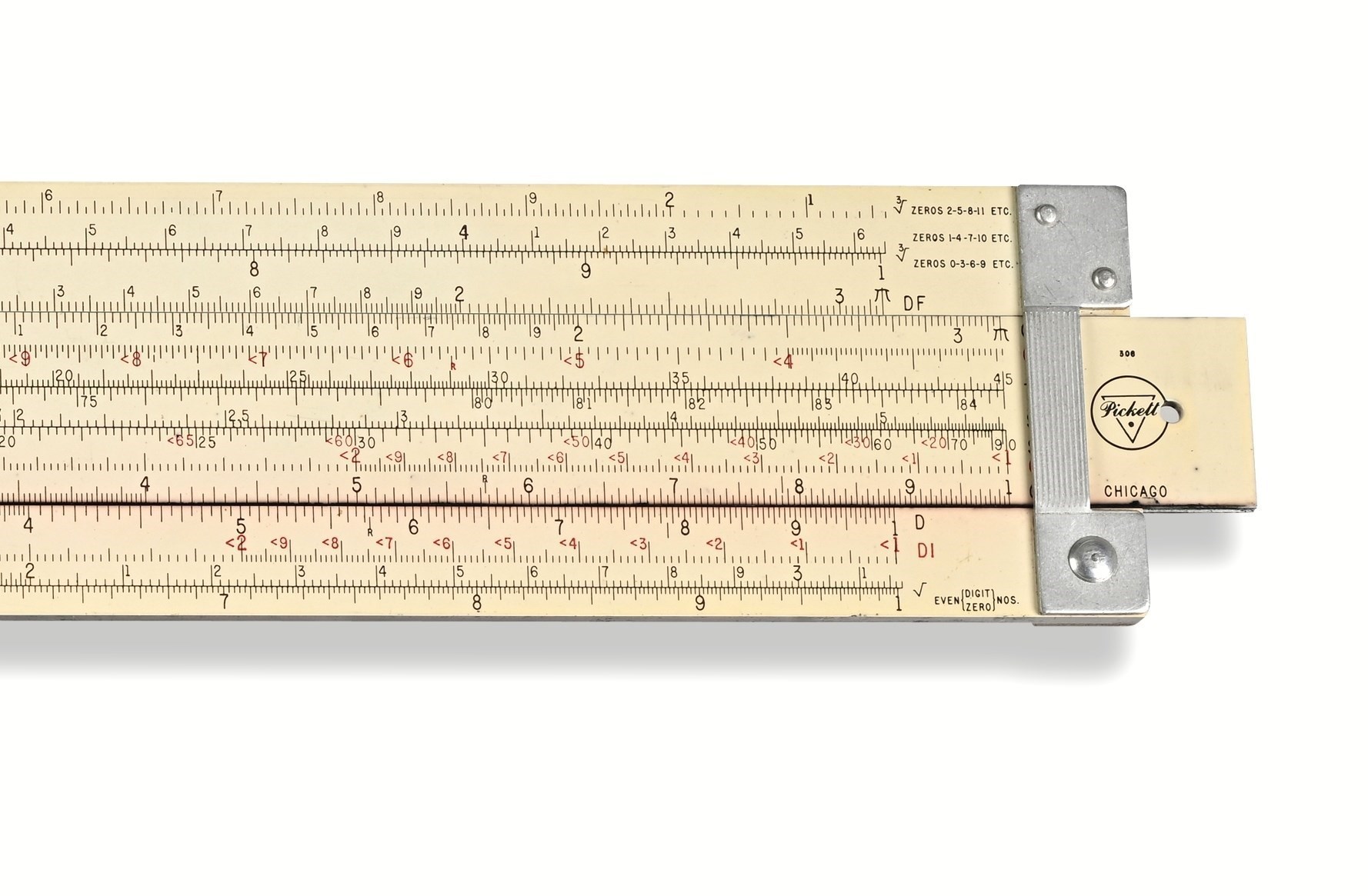
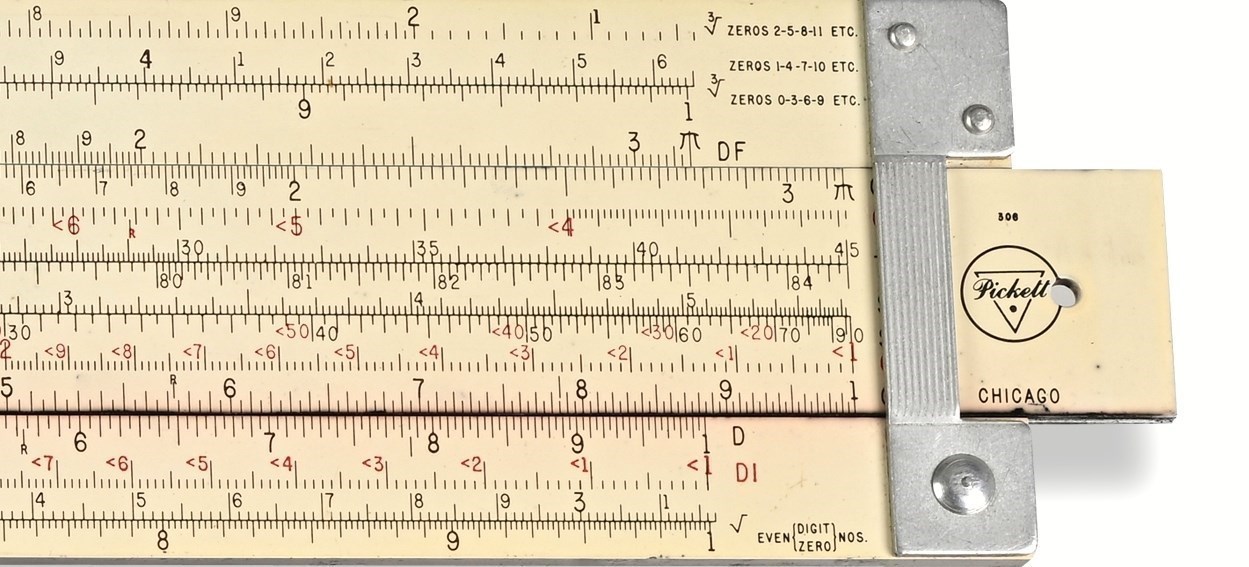
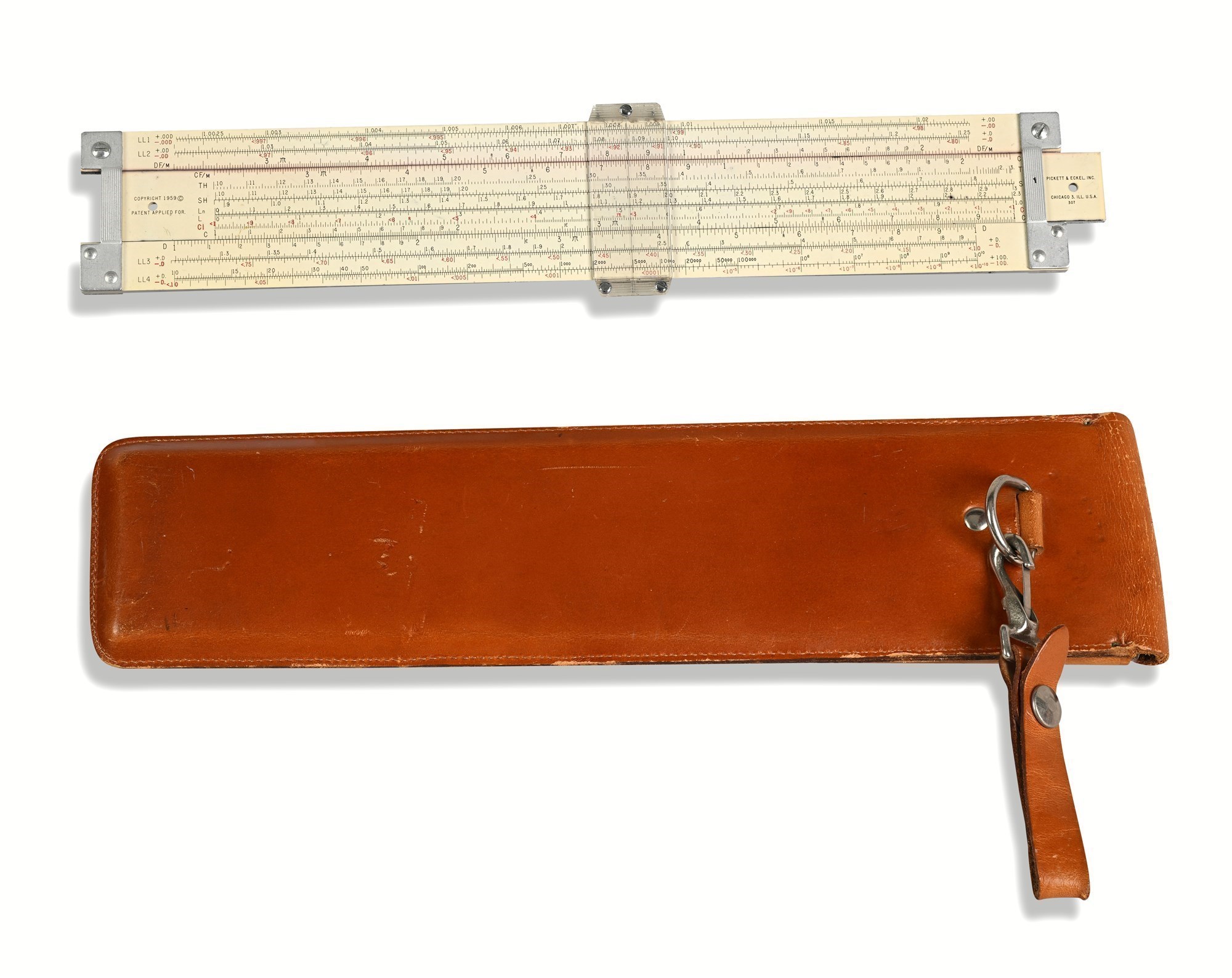
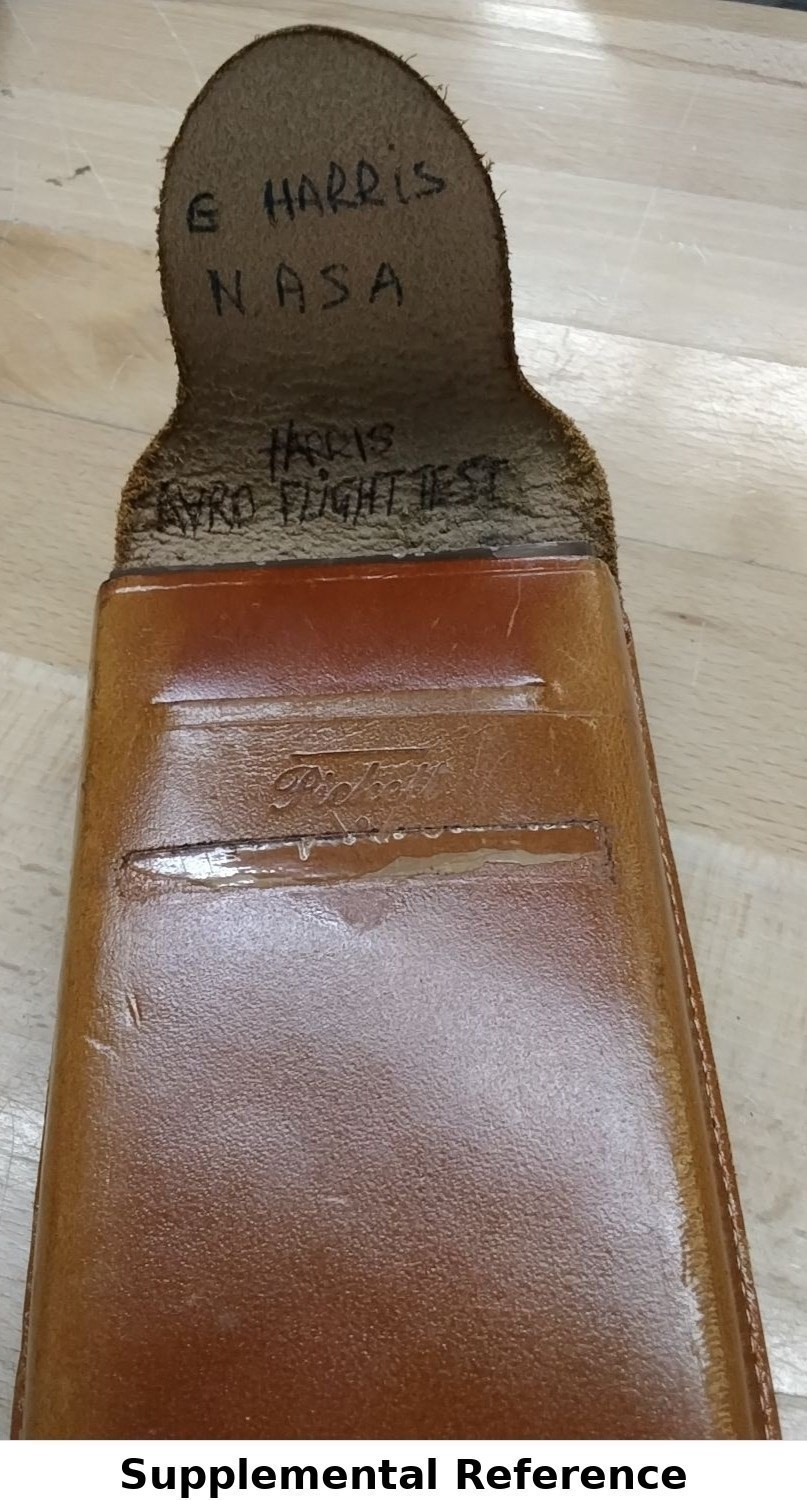
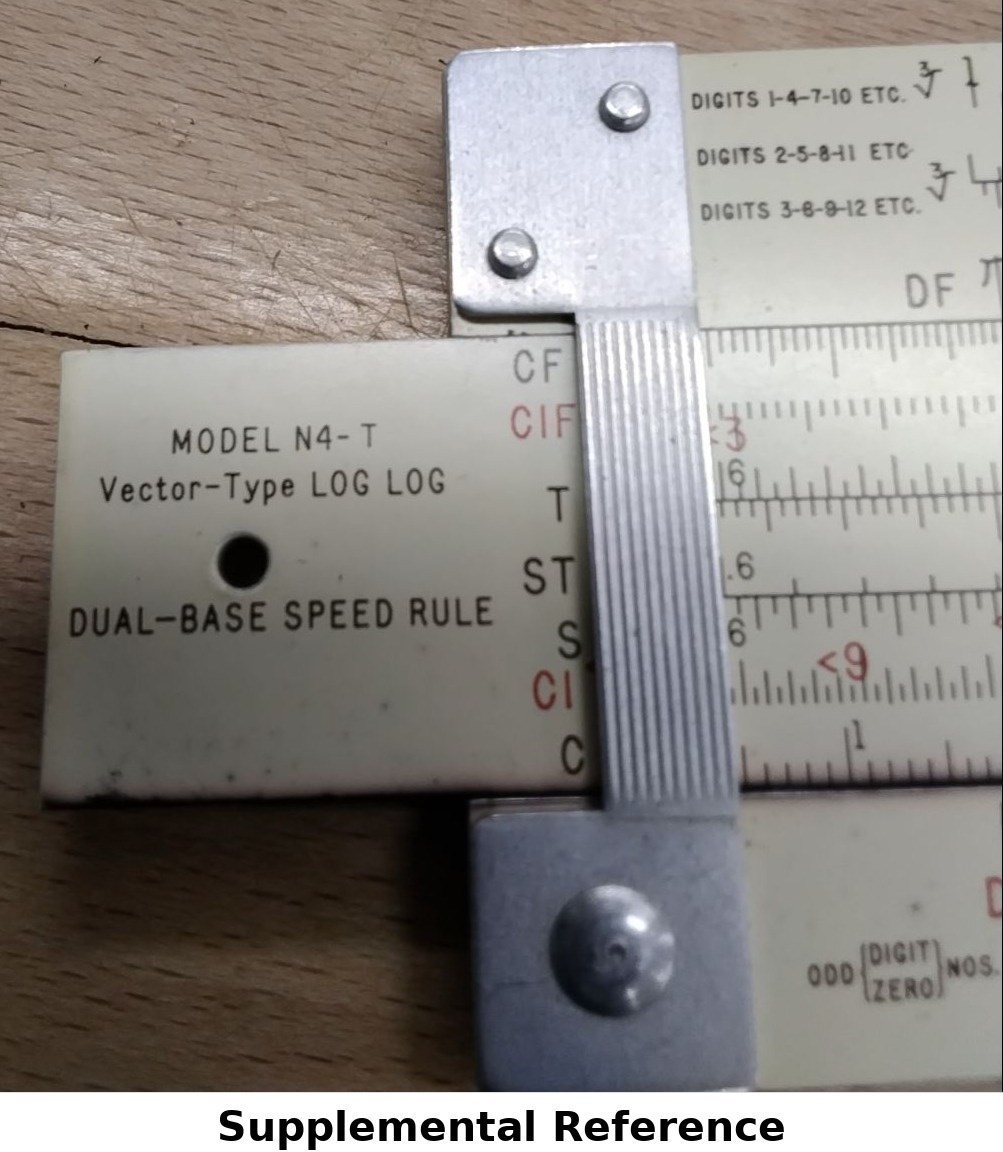
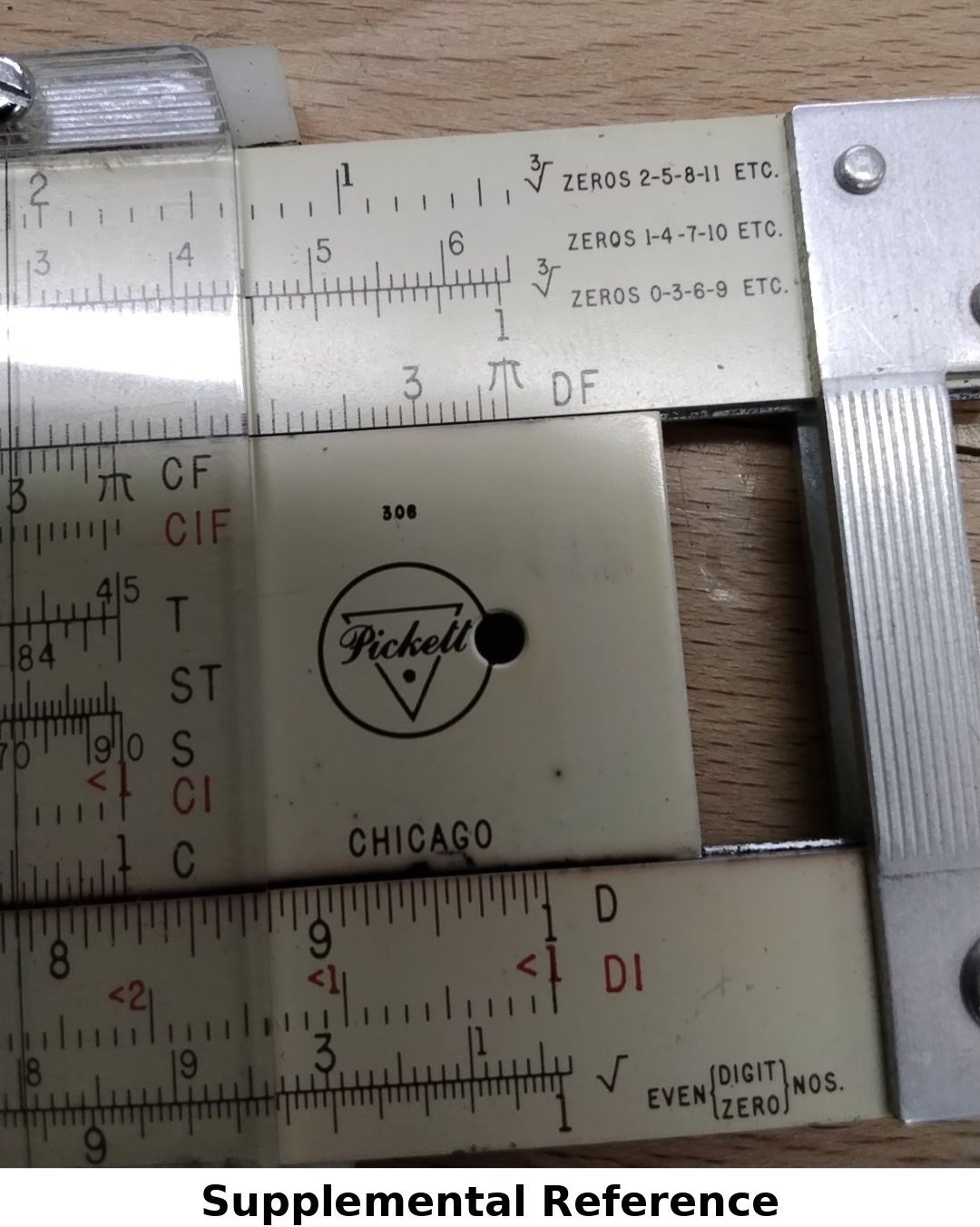
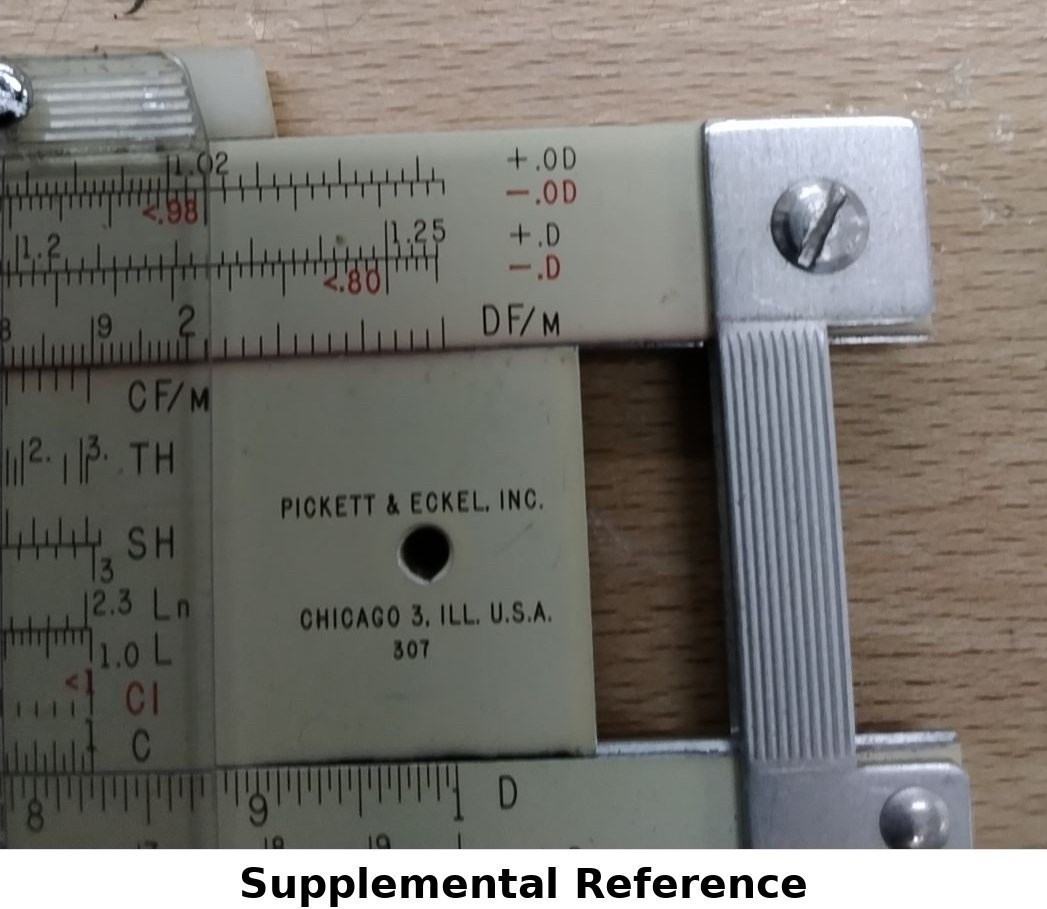
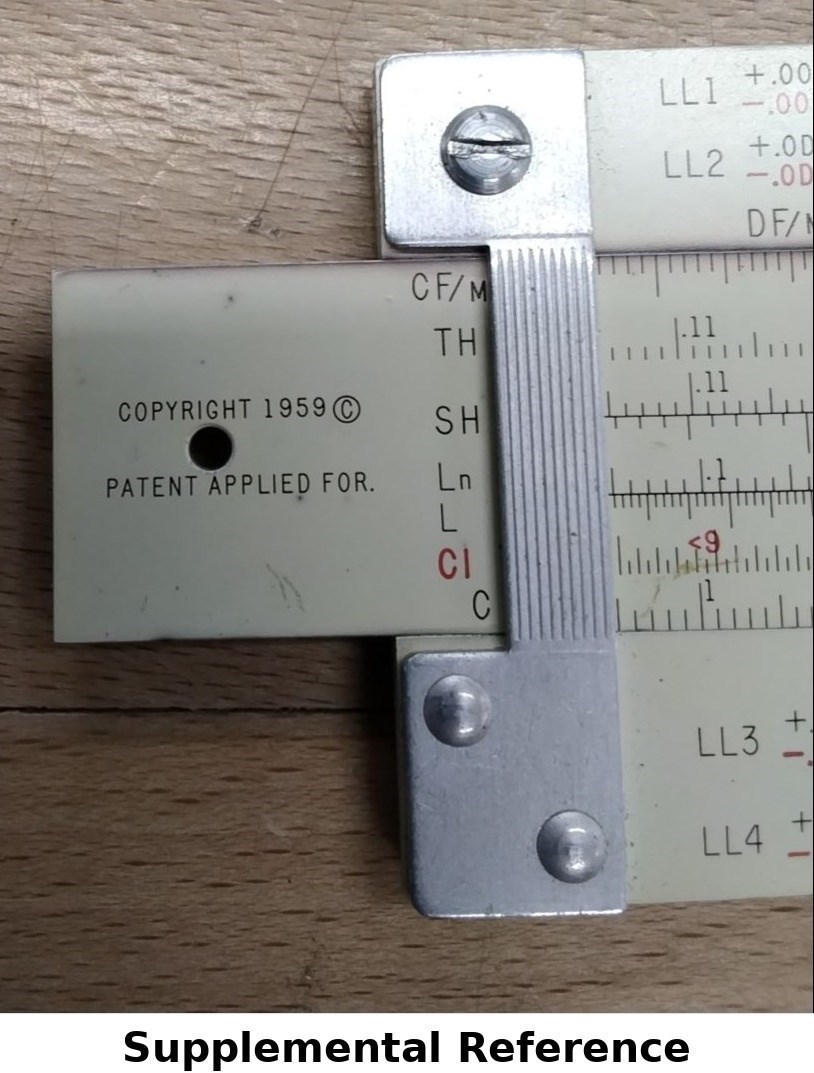
The ownership inscription inside the pull tab says it plainly: "E HARRIS / NASA" and "HARRIS / AVRO FLIGHT TEST." This is the personal slide rule of George Harris Jr. — electrical engineer, founding builder of the Manned Space Flight Network, Apollo simulation Test Conductor, and the man who saved the TDRSS program at White Sands. The instrument is a Pickett Model N4-T, designated "Vector-Type LOG LOG / Dual-Base Speed Rule," aluminum body with cream enamel finish, aluminum end brackets, and an acetate cursor — Chicago manufacture, cursor end plate marked 306, with the maker's oval logo and "CHICAGO" on the well plate. A second slide, the companion Pickett & Eckel No. 307 (Chicago 3, Ill., copyright 1959, "Patent Applied For"), carries LL1–LL4 log-log scales, hyperbolic (TH, SH), natural log (Ln), and DF/M scales — the advanced scientific configuration favored by the flight-test and network engineering community of the late 1950s and early 1960s.
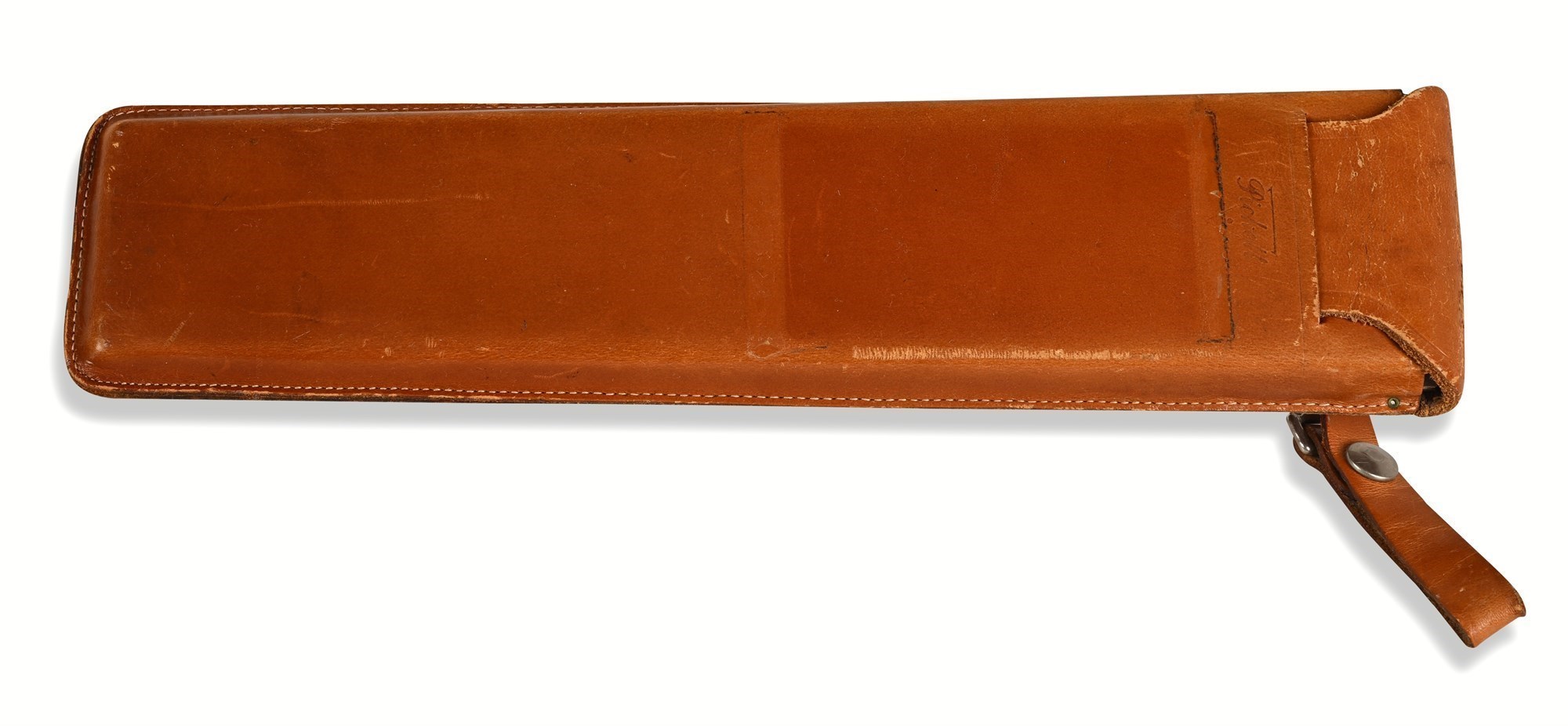
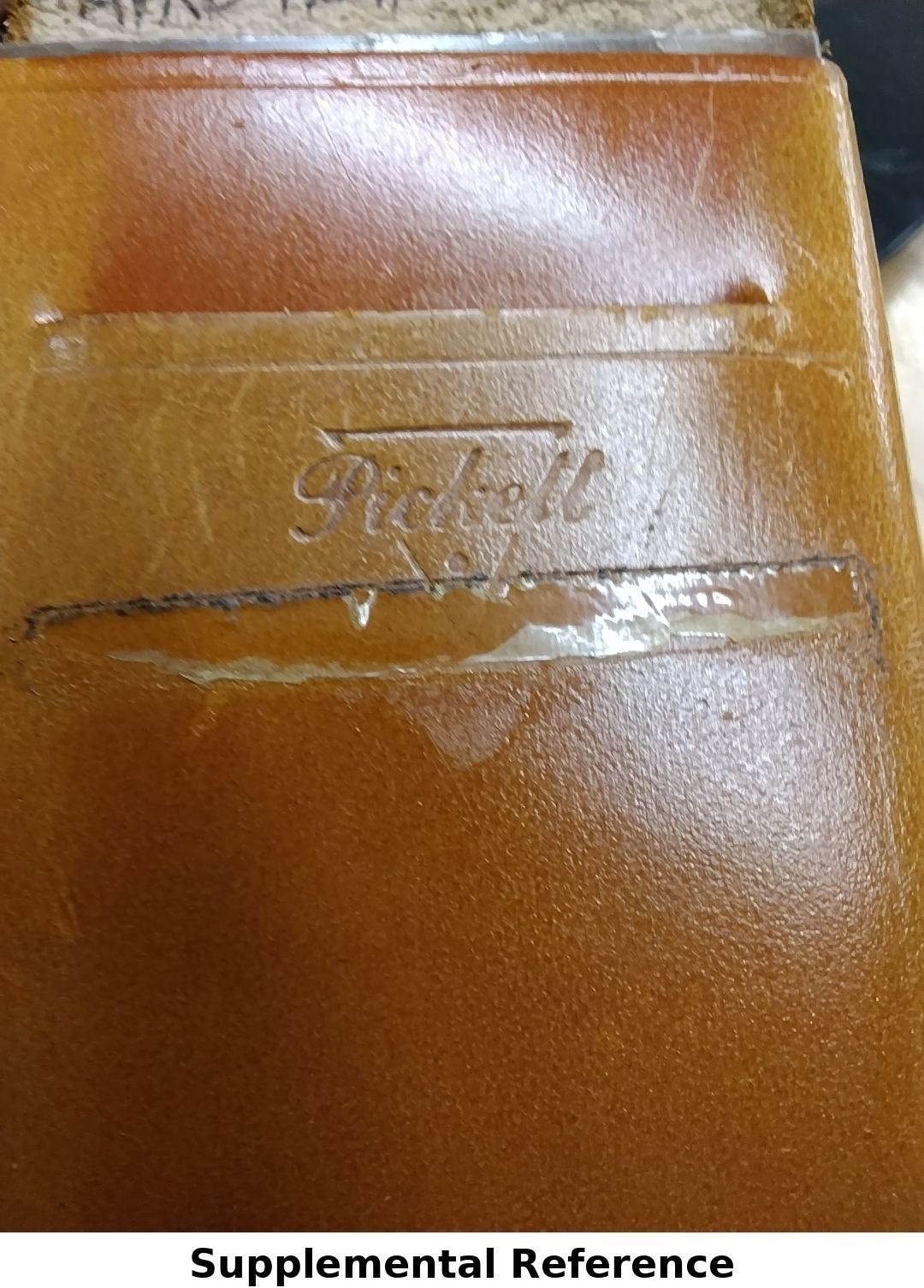
Both rules are in their original tan cowhide Pickett-embossed leather belt cases. Harris's name appears twice in the case interior: on the pull tab in handwritten ink, and the full "HARRIS / AVRO FLIGHT TEST" notation beneath. These are professional instruments, not classroom tools — the N4-T's dual-base layout and the 307's hyperbolic and log-log scales are precisely what an engineer building a 19-station global tracking network, calibrating Mercury ground systems, and later directing the TDRS-A orbital rescue would carry. Harris's final posting before retirement was White Sands Missile Range, where he managed TDRSS operations beginning in 1979, giving this lot direct New Mexico regional provenance.
Provenance
George Harris Jr. (1929–2025) was born in Willenhall, England, trained as an electrical engineer, and joined AVRO Aircraft in Malton, Ontario in 1954. He served as Flight Test Observer on the CF-100 Canuck and led design of the control centre for real-time monitoring of the CF-105 Arrow — the work encoded in the "AVRO FLIGHT TEST" inscription on this case. After the Arrow's cancellation in 1959, Harris was recruited to NASA on the recommendation of colleagues John Hodge and Tecwyn Roberts, becoming one of the thirty-two engineers NASA called the "NASA Canadians." Assigned to the Tracking and Data group at Goddard Space Flight Center, he built and tested the Mercury Network's 19 worldwide stations between April 1960 and March 1961, leading a team operating two DC-4 aircraft to calibrate equipment at stations across the globe. He then served as Project Manager for PCM telemetry installation at Gemini stations worldwide, and oversaw the new Unified S-Band stations for Apollo. As Test Conductor aboard Super Constellation NASA 421, he conducted simulation flights to Honeysuckle Creek, Australia, in 1967 — his reports directly precipitating the personnel changes that shaped the station's Apollo performance. In 1979 Harris relocated to White Sands Missile Range, New Mexico as TDRSS Operations Manager. When TDRS-A failed to reach geostationary orbit after STS-6 deployment in 1983, Harris served as flight director of the White Sands recovery team that shepherded the satellite to correct orbit over several months. He retired in 2001.
History
Pickett & Eckel, Inc. of Chicago was the premier American maker of all-metal slide rules in the postwar era, distinguished by magnesium and aluminum construction that resisted the warping common in wood and bamboo instruments. The N4-T "Dual-Base Speed Rule" was a preferred tool among aerospace and network engineers for exactly the work Harris performed — rapid computation across exponential, trigonometric, and logarithmic functions without reference to tables. The Mercury tracking network was built and certified during the same narrow window — 1960 to 1961 — in which these rules were in active professional service.
Collector's Note
Standard Pickett N4-T and No. 307 rules without attribution trade for $20–$75 in the general instrument market. With documented NASA/space program provenance, comparable aerospace-attributed instruments have achieved $300–$1,500+ at LiveAuctioneers and Heritage Auctions. The named ownership inscription, the completeness of both rules with their original leather cases, the direct MSFN/Mercury/Apollo/TDRSS biographical chain, and the White Sands regional tie combine to place this lot well above the base instrument market for buyers focused on early space-program material.
CONDITION
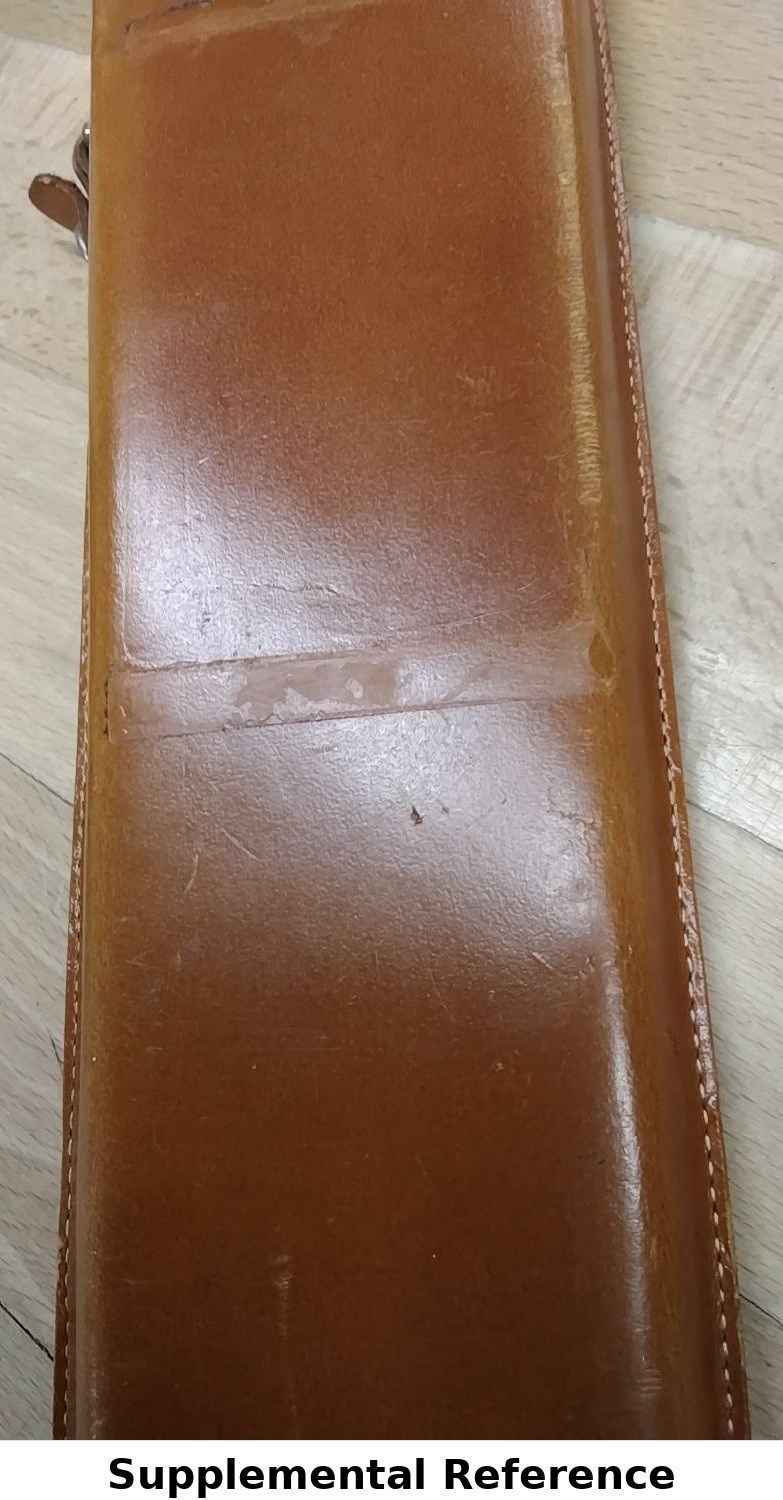
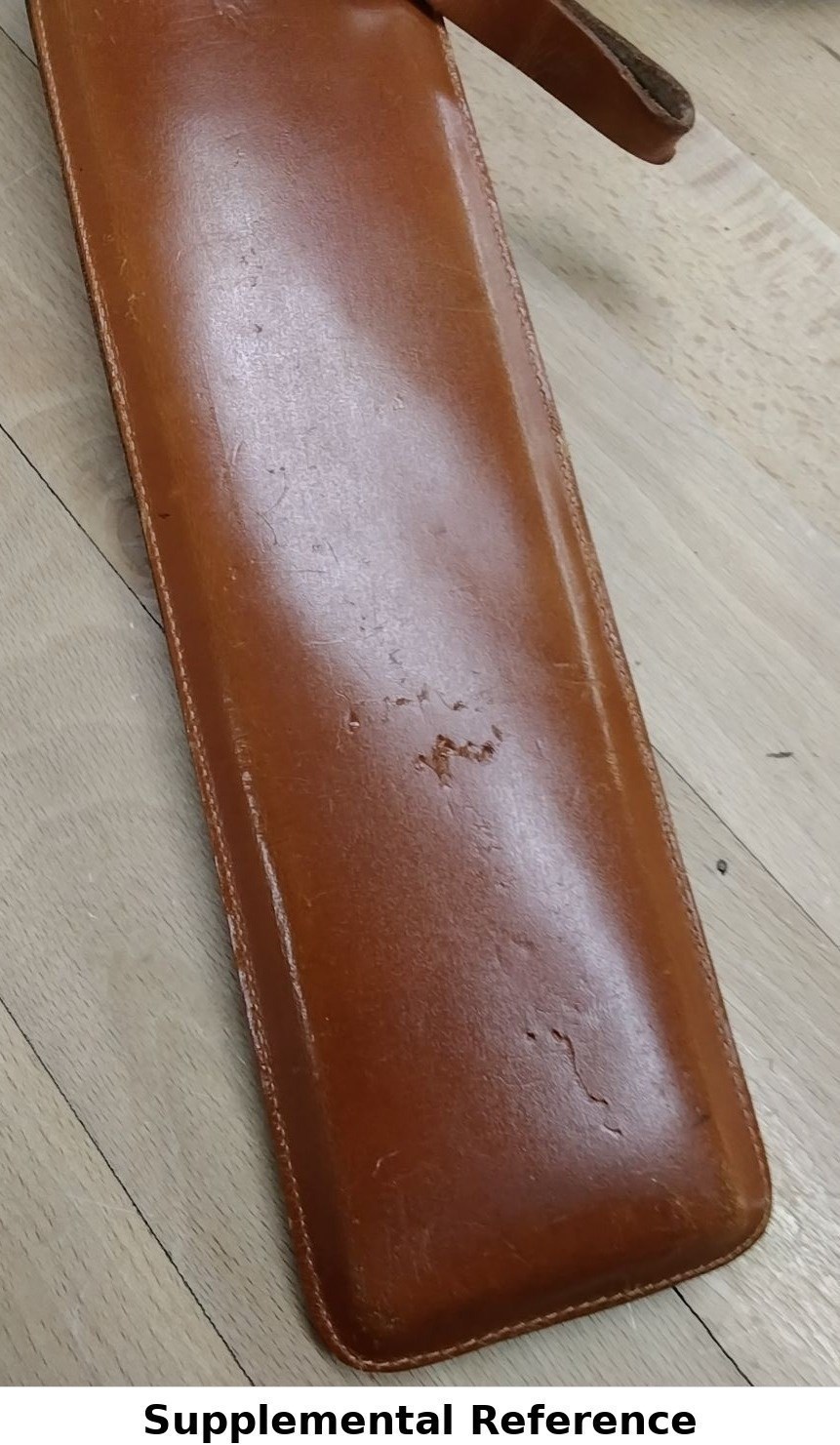
Good with age-appropriate wear throughout. Both aluminum rules retain crisp, legible scales; cursors and slides operate as intended. The tan leather cases show surface scuffing, edge wear, and scattered scratches consistent with decades of field use, with light adhesive residue and outline marks to the interior near the Pickett embossing. The handwritten "E HARRIS / NASA" and "HARRIS / AVRO FLIGHT TEST" inscription on the pull tab is fully legible.
DIMENSIONS / SPECIFICATIONS
- Rule 1: Pickett Model N4-T — Vector-Type Log Log / Dual-Base Speed Rule; cursor end plate marked 306
- Rule 2: Pickett & Eckel, Inc. No. 307 — Chicago 3, Ill. U.S.A.; copyright 1959; scales LL1–LL4, TH, SH, Ln, L, CF/M, DF/M
- Construction: aluminum body, cream enamel finish, aluminum end brackets, acetate cursor; red accent printing
- Maker: Pickett & Eckel, Inc., Chicago, Illinois
- Case (each): 13" × 3"; tan cowhide leather, Pickett logo embossed interior; belt loop and pull tab
- Ownership inscription: "E HARRIS / NASA" and "HARRIS / AVRO FLIGHT TEST" — handwritten ink on interior pull tab
- Includes: two slide rules, two original leather belt cases